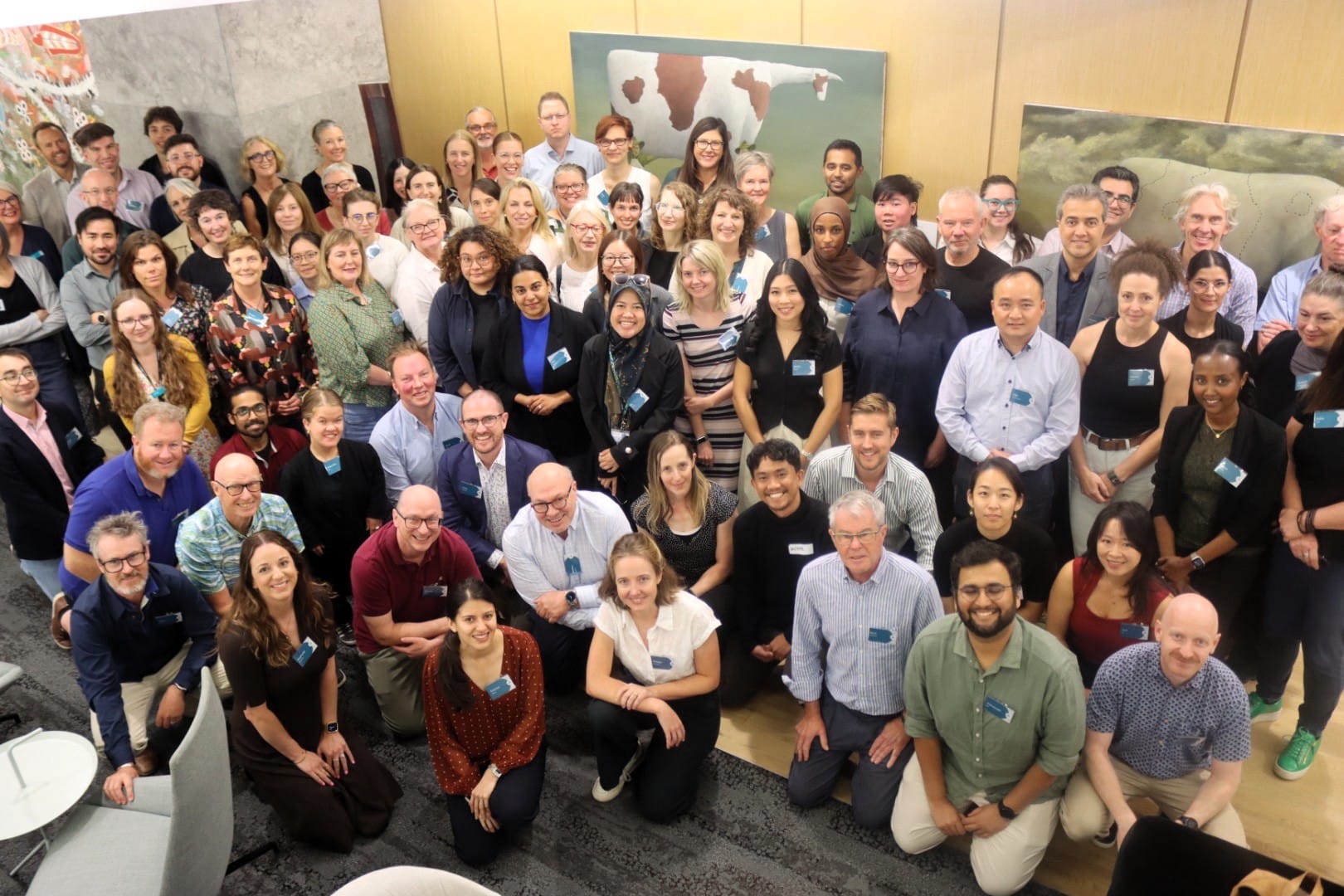
Last week, I had the pleasure of participating in the 2026 Systems Thinking and Modelling Symposium in Melbourne, hosted by the Oceania chapter of the System Dynamics Society. It was two energising days of deep discussion, learning, and connection across the systems thinking, system dynamics, and simulation modelling community. It was inspiring to be surrounded by researchers, practitioners, and students working across health, sustainability, public policy, and social systems—each bringing different lenses to shared complex challenges.
Presenting systems modelling for youth mental health policy
I presented an output from our Right Care, First Time, Where You Live program, titled: Hybrid Simulation–Optimisation for Implementing Youth Mental Health Policy Under Resource Constraints.
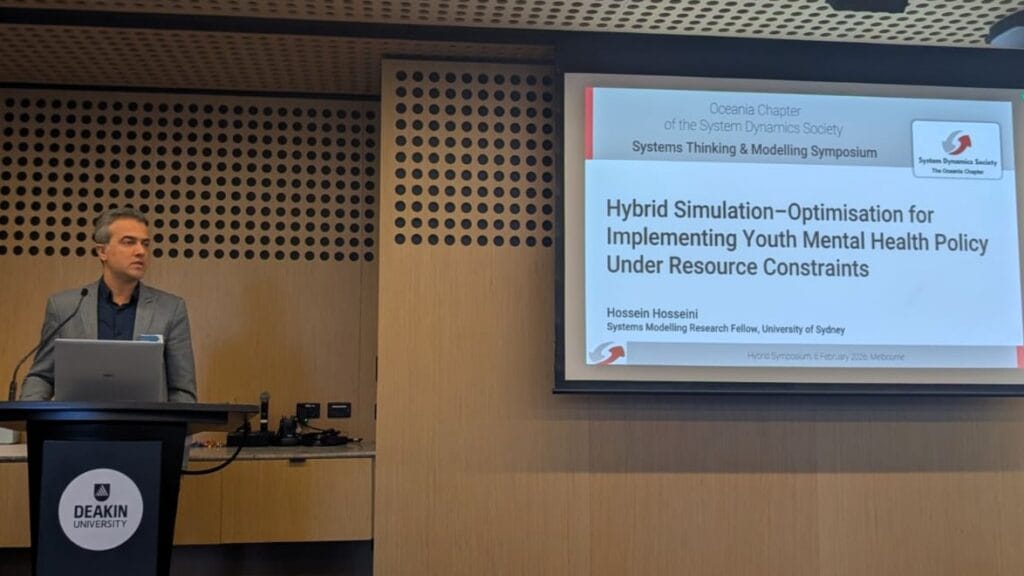
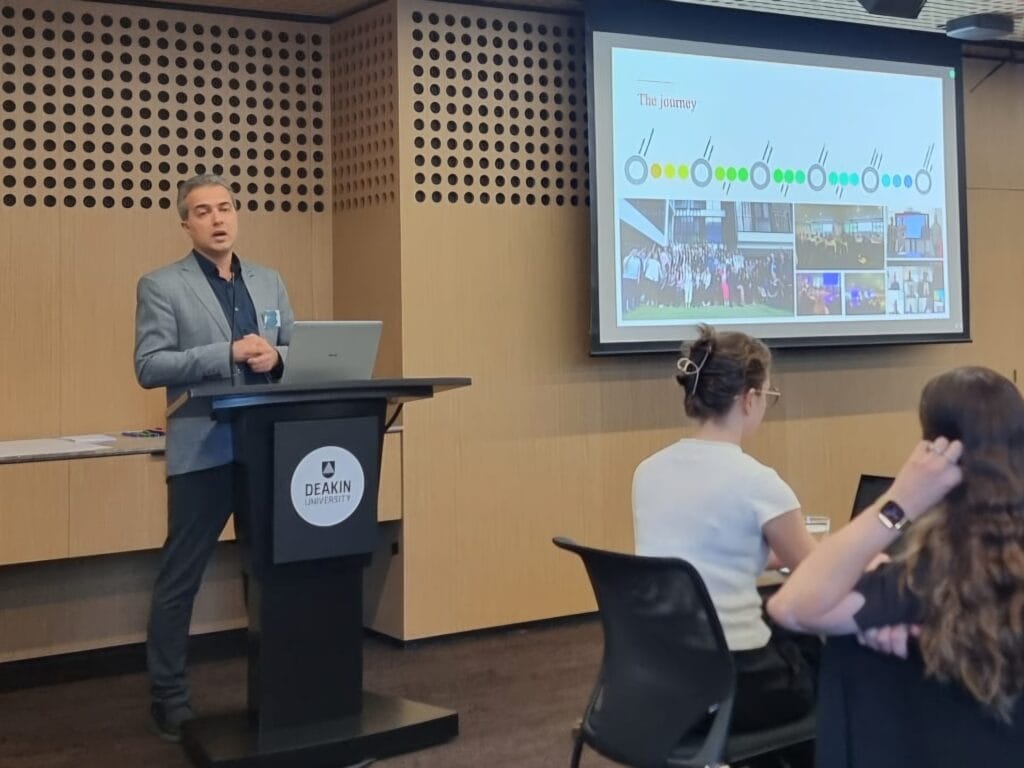
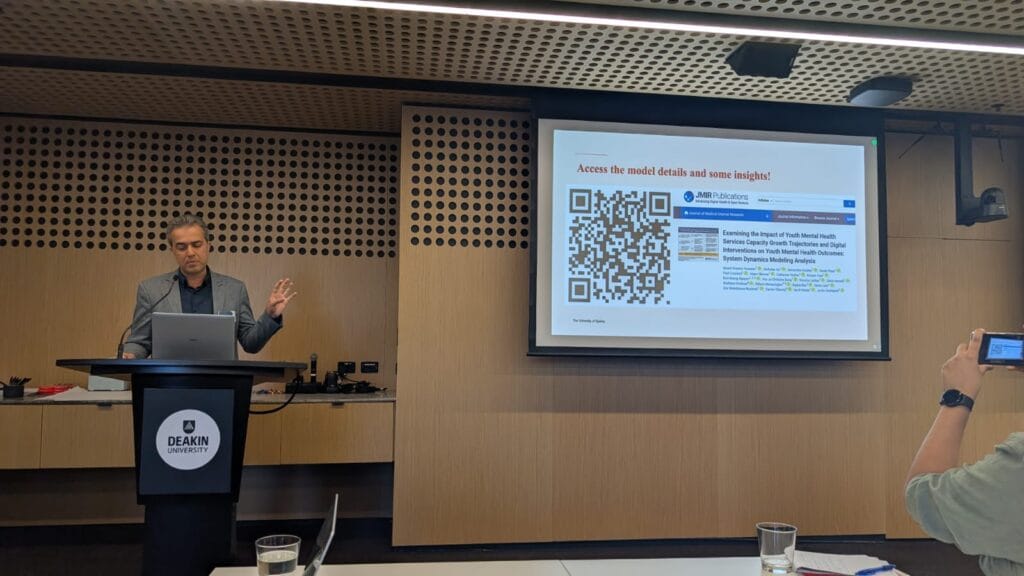
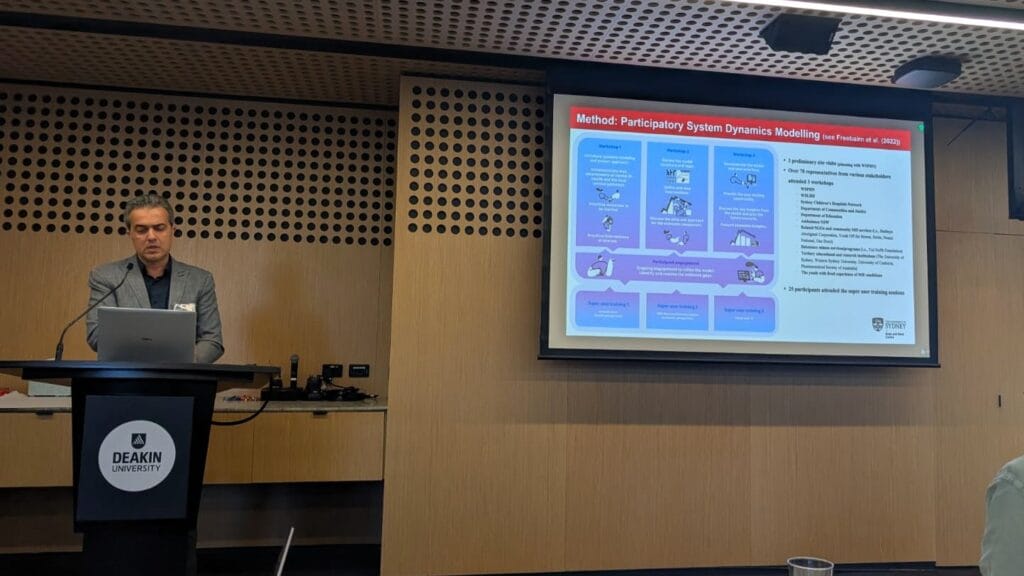
The presentation focused on how hybrid modelling approaches—combining system dynamics with optimisation techniques—can support more realistic and implementable decisions on youth mental health policy, particularly in contexts of constrained resources, growing demand, and workforce pressures. The discussion reinforced the value of systems modelling as a bridge between evidence, policy intent, and operational feasibility in mental health systems.
Participatory systems thinking and system dynamics
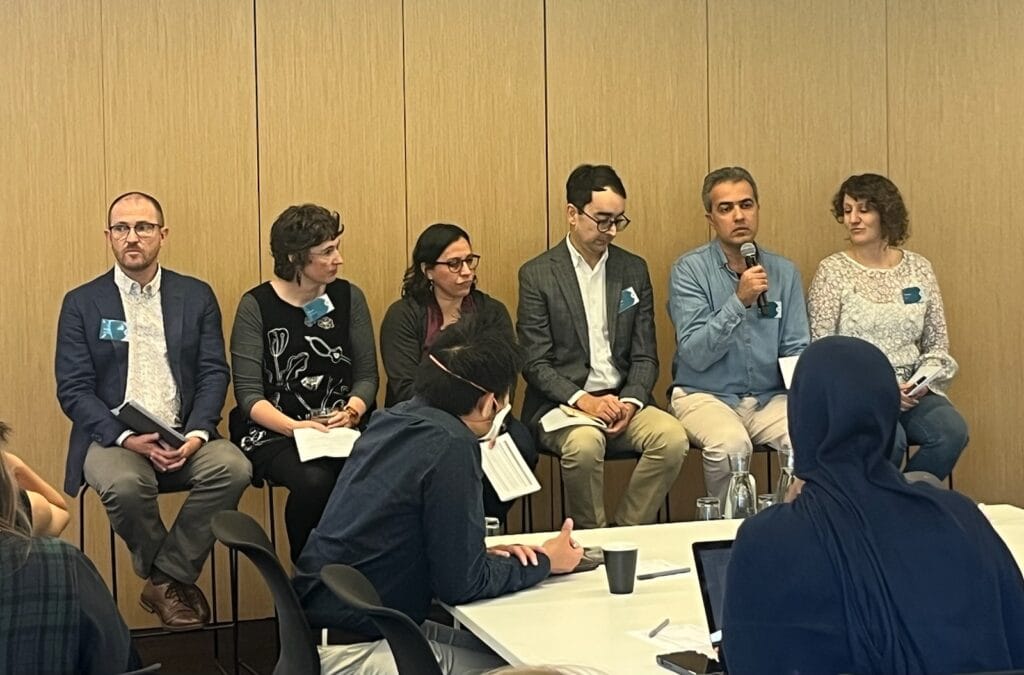
In addition to presenting, I also contributed to a panel discussion on participatory systems thinking and system dynamics, where we explored how participatory approaches—such as group model building—can strengthen relevance, ownership, and impact of models in real-world decision-making. These conversations highlighted the importance of co-design, lived experience, and trust when applying systems approaches in complex social and health settings. I shared our experience resulting from the participatory systems modelling in the Right Care, First Time, Where You Live program.
A strong and growing community
Beyond individual sessions, what stood out most was the strength of the Oceania systems thinking and modelling community. The symposium created space for meaningful dialogue across disciplines and sectors, reinforcing how systems thinking and modelling can support collective action on some of our most pressing challenges—from health systems and health equity to climate, energy, and sustainability transitions.
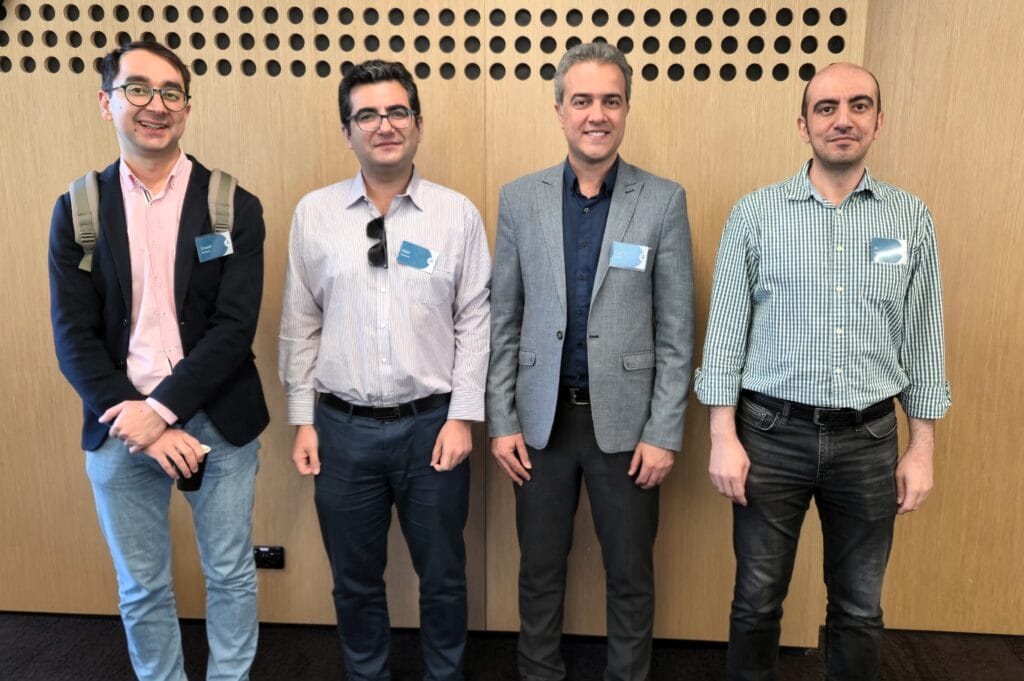
I also had the chance to see my fellow Iranian friends from the community in Melbourne. So exciting!
I left Melbourne feeling grateful for the conversations, collaborations, and shared momentum—and excited about how systems modelling can continue to inform policy, practice, and change across Australia and the region.